Why a Dry Eye Evaluation Is the First Step to Relief
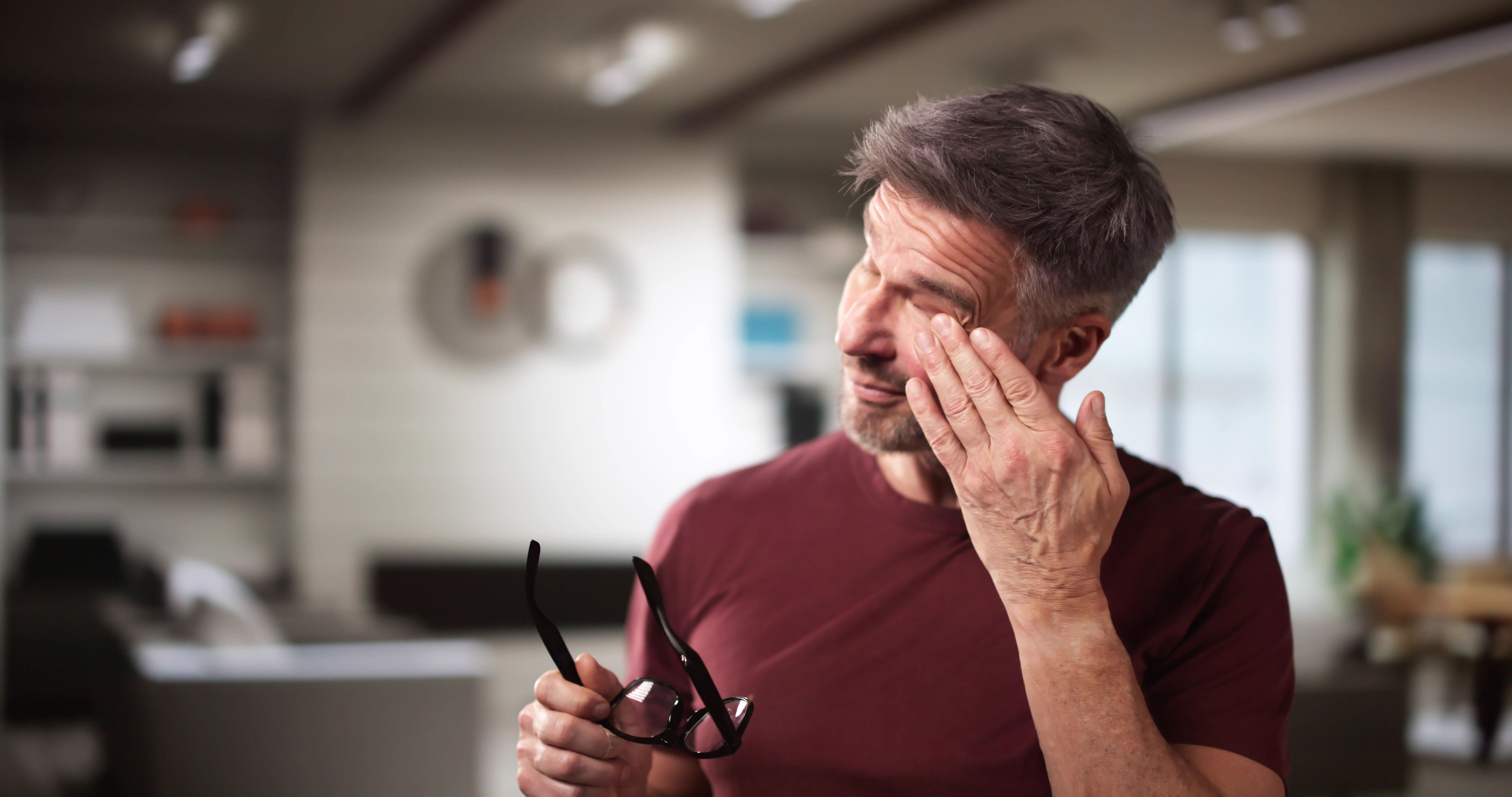
If your eyes burn, water, feel gritty, or go blurry during the day, it is tempting to keep rotating through artificial tears. The problem is that dry eye is not one condition with one fix. It is a disease with multiple drivers, and the right treatment depends on identifying what is actually happening on the surface of your eyes and along your eyelids.
A dry eye evaluation is the first step to real relief because it connects your symptoms to measurable findings. Instead of guessing, a specialist can determine whether your dryness is mainly from low tear production, tears that evaporate too quickly, eyelid inflammation, oil gland dysfunction, or a combination.
Step 1: A Detailed Symptom and Lifestyle Review
A high-quality dry eye workup starts with a focused conversation. Your provider will ask about when symptoms show up, what makes them worse, and what you have already tried. Screen time, allergies, medications, autoimmune conditions, hormone changes, and environment can all affect tear stability. This step helps narrow the likely causes and ensures testing is tailored to you.
Step 2: Testing the Tear Film
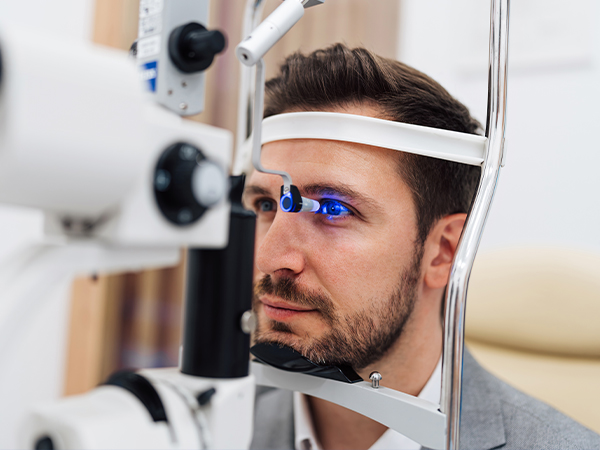
Healthy vision comfort depends on a stable tear film. During an evaluation, the doctor assesses how well your tears coat the eye, how quickly they break up, and whether the tear layer is balanced. When tears are unstable, symptoms often fluctuate throughout the day, especially with reading, driving, or computer use.
Step 3: Meibomian Glands, Lids, and Lashes
For many patients, the main issue is evaporative dry eye related to the meibomian glands. These oil glands line the eyelids and are responsible for the protective oil layer that slows tear evaporation. Your evaluation includes checking gland function and signs of blockage.
Your lids and lashes are also examined for issues that commonly fuel dryness, such as blepharitis, inflammation, or Demodex-related irritation. If the eyelid margin is unhealthy, even the best drops can fall short because the tear film keeps breaking down.
What to Bring to Your Dry Eye Appointment
- A list of current medications and supplements
- The eye drops, lid cleansers, or warm compress routine you are using now
- Notes on triggers like screens, wind, air conditioning, or contact lens discomfort
- Any history of allergies, rosacea, autoimmune disease, or past eye procedures
- Your most bothersome symptoms and when they occur
A Personalized Treatment Plan That Matches the Cause
The goal of an evaluation is not to sell a one-size-fits-all solution. It is to build a plan based on your test results and daily needs. At Advanced Dry Eye & Wellness, treatment recommendations may include in-office options like IPL, targeted lid therapies like NuLids Pro, eyelid rinsing with Rinsada, prescription medications, supplements, and structured at-home care.
To schedule a dry eye evaluation and get a treatment plan built around the real cause of your symptoms, contact Advanced Dry Eye & Wellness. Visit our office in Birmingham, Alabama, or call (205) 224-0016 to book an appointment today.
Quick Links
Helpful Articles
article_category: products
article_category: psychiatry
article_category: faqs
article_category: cats
article_category: general
article_category: services
article_category: technology
article_category: dogs
article_category: restorative
article_category: vision therapy
article_category: contact lenses
article_category: health
article_category: conditions
article_category: eye surgery co-management
article_category: exotic
article_category: cosmetic
article_category: surgical procedures
article_category: aesthetics
article_category: preventative
article_category: ocular disease management
article_category: eyeglasses
article_category: eye health
article_category: large animal
[]
article_category: psychiatry
article_category: faqs
article_category: cats
article_category: general
article_category: services
article_category: technology
article_category: dogs
article_category: restorative
article_category: vision therapy
article_category: contact lenses
article_category: health
article_category: conditions
article_category: eye surgery co-management
article_category: exotic
article_category: cosmetic
article_category: surgical procedures
article_category: aesthetics
article_category: preventative
article_category: ocular disease management
article_category: eyeglasses
article_category: eye health
article_category: large animal
[]
Flowbite is an open-source library of interactive components built on top of Tailwind CSS including buttons, dropdowns, modals, navbars, and more.
Check out this guide to learn how to get started and start developing websites even faster with components on top of Tailwind CSS.
All Eye Care Services
Find personalized dry eye treatment at our office. From dry eye evaluations to IPL therapy, you can trust us for all your dry eye needs.

Keep In Touch
For non-urgent questions or to learn more about our services, contact us today!
© 2026 Advanced Dry Eye & Wellness. All rights Reserved - Accessibility Statement - Privacy Policy - Sitemap
Managed and Designed by 